
Optimal Timing for Fire Restorations
Fire restorations are most effective when performed promptly after a fire incident, with the goal of minimizing damage and preventing further deterioration. The timing depends on factors such as weather conditions, fire severity, and the availability of restoration services. Typically, initiating restoration within 24 to 48 hours after the fire can help preserve property and reduce costs.
Starting fire restorations quickly limits smoke and water damage, reducing long-term repairs.
Dry, mild weather conditions are ideal for restoration work, preventing additional moisture or weather-related delays.
Spring and fall often provide optimal conditions for fire restoration projects due to moderate temperatures.
More severe fires may require longer planning, but early intervention remains crucial regardless of fire size.
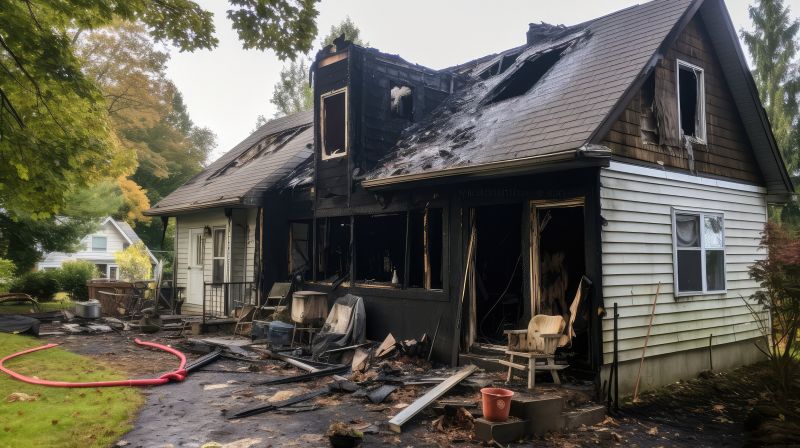
Initial evaluation helps determine the extent and best timing for restoration.
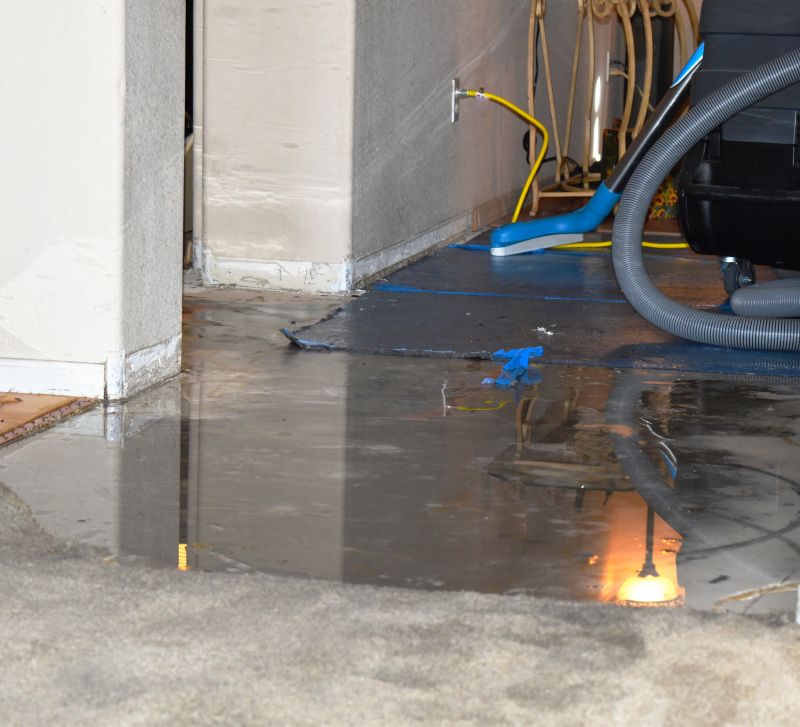
Rapid removal of water prevents mold growth and structural damage.
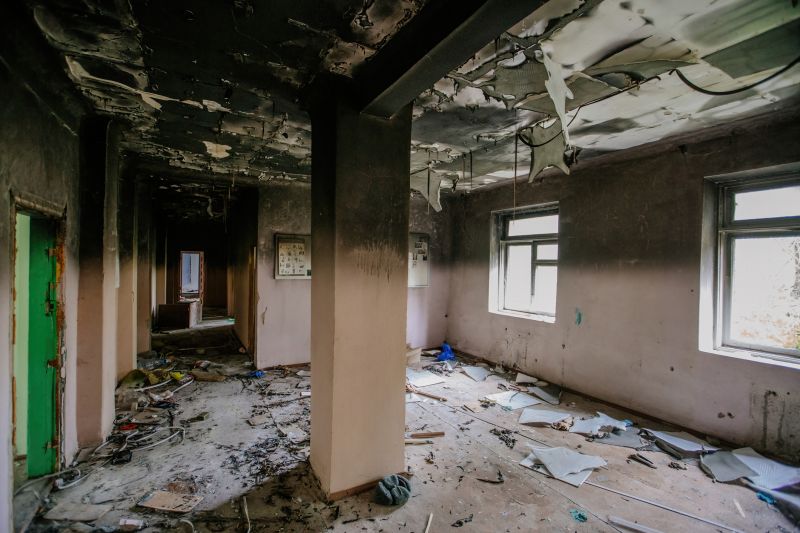
Early treatment reduces lingering smoke odors and improves indoor air quality.
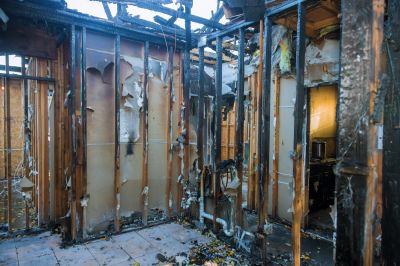
Ways to make Fire Restorations work in tight or awkward layouts.
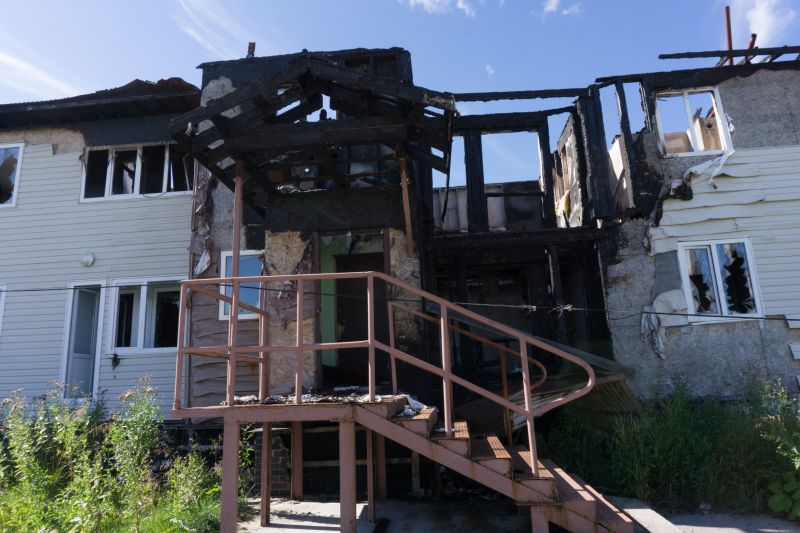
Popular materials for Fire Restorations and why they hold up over time.
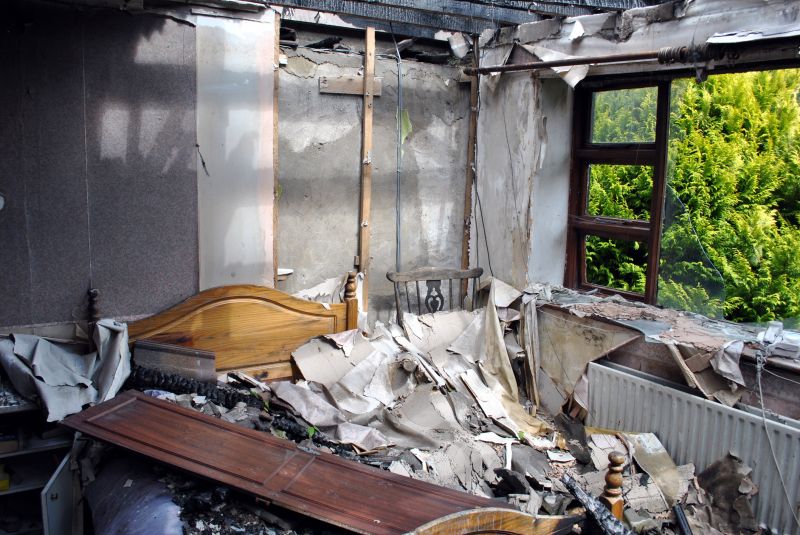
Simple add-ons that improve Fire Restorations without blowing the budget.
| Factor | Optimal Timing |
|---|---|
| Immediate response after fire | Within 24-48 hours |
| Weather conditions | Dry and mild weather |
| Seasonal considerations | Spring or fall |
| Fire severity | Depends on damage extent, but early is better |
| Restoration technology | Available year-round, but weather-dependent |
Fire restorations involve specialized procedures to repair and restore property damaged by fire, smoke, and water. These services include debris removal, smoke odor treatment, structural repairs, and cleaning. Timely intervention can significantly reduce restoration costs and prevent secondary issues such as mold growth or structural weakening. Modern fire restoration techniques utilize advanced equipment to expedite the process and improve outcomes.
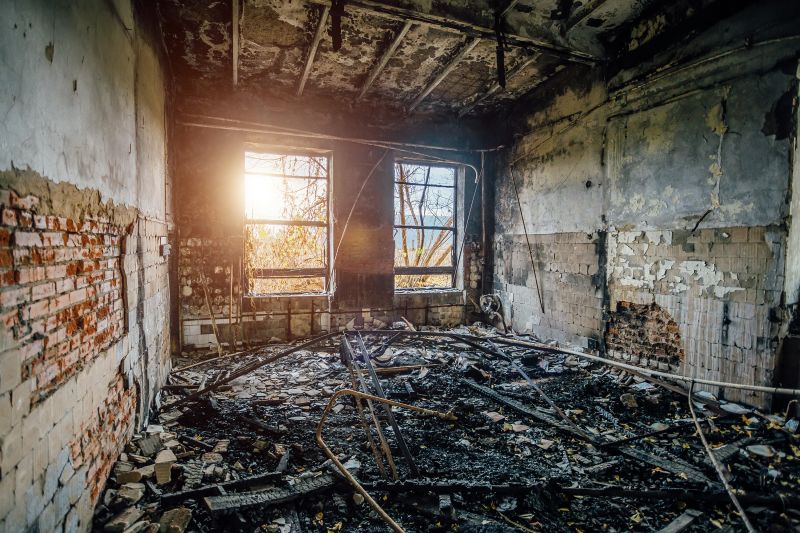
Removing debris and damaged materials promptly.
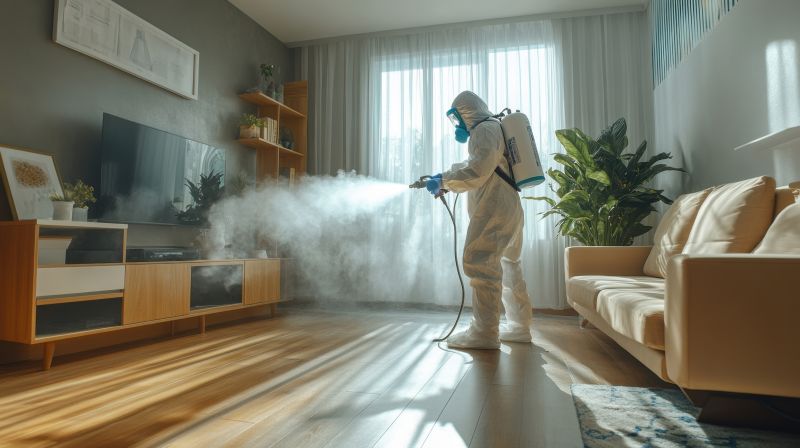
Using specialized equipment to eliminate odors.
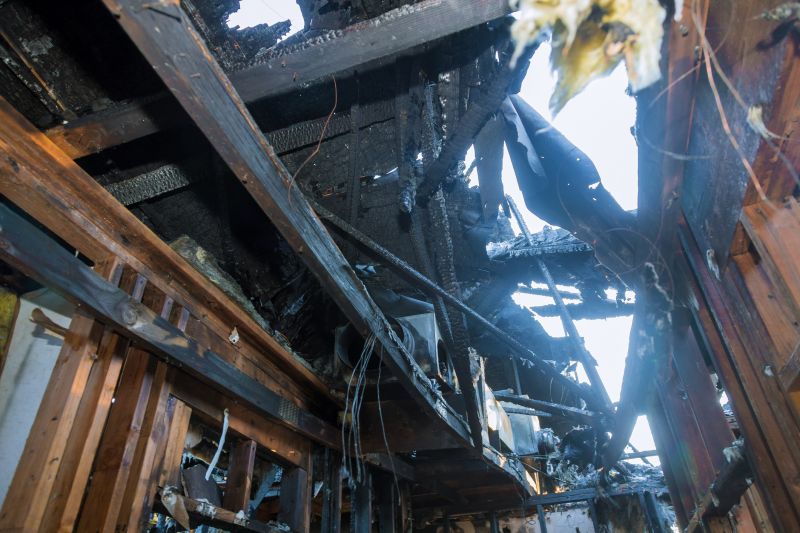
Restoring damaged frameworks and surfaces.
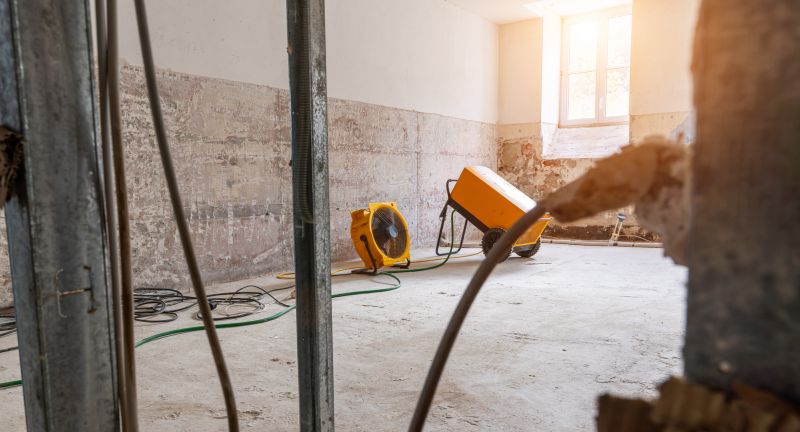
Extracting water and drying affected areas.
Interested property owners in fire restorations are encouraged to contact for more information. Prompt action can help mitigate damage and restore safety and comfort to the affected space.