
Leading Fire Restoration Supplies for Professional-Grade Results
Access essential tools and materials that enable comprehensive restoration and repair of fire-affected spaces.
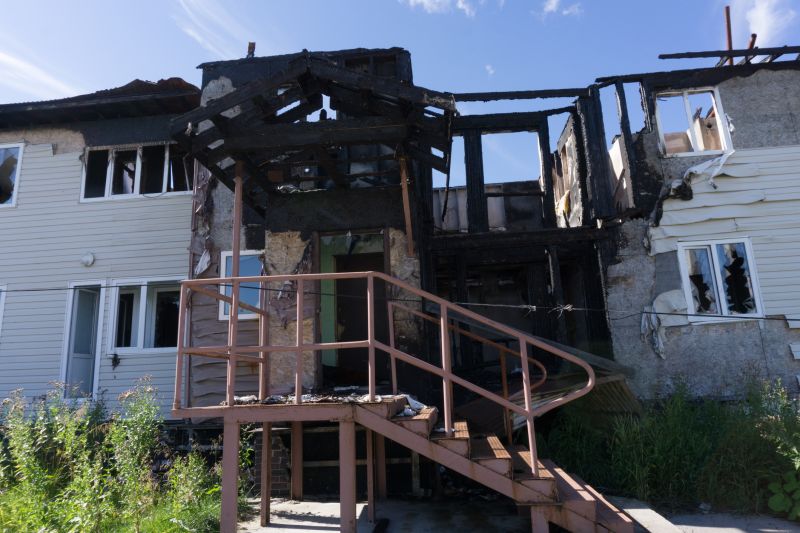 Fire restoration products are essential tools and materials used to address the aftermath of fire incidents, helping to restore safety and integrity to affected structures. These products range from cleaning agents and odor neutralizers to specialized equipment designed to remove soot, smoke damage, and residual odors. Proper selection and application of these products can significantly improve the efficiency of restoration efforts and ensure a safer environment for occupants and workers alike.
Top Overall Option
Comprehensive Fire Damage Restoration Kit
A well-rounded restoration kit typically includes a variety of cleaning agents, odor neutralizers, soot removal tools, and protective gear. Such kits are designed to provide a versatile solution for different levels of fire damage, enabling restoration professionals or DIY enthusiasts to address soot, smoke, and odor issues efficiently. When selecting a kit, consider the range of included products and their compatibility with various surfaces and materials, ensuring a thorough and safe cleanup process.
Types of Products For Fire Restorations
Soot and Smoke Cleaners
Specialized cleaning solutions formulated to remove soot deposits and smoke residues from walls, ceilings, and other surfaces.
Odor Neutralizers
Products designed to eliminate or reduce lingering smoke odors through chemical neutralization or masking agents.
Air Scrubbers and Filtration Systems
Equipment used to filter airborne particles and contaminants, improving indoor air quality during restoration.
Ozone Generators
Devices that produce ozone to neutralize strong odors and disinfect affected areas.
Thermal Foggers
Tools that disperse deodorizing agents in fine mist to penetrate porous surfaces and eliminate odors.
Protective Gear
Masks, gloves, suits, and eye protection essential for safety during cleanup and restoration activities.
Soot Sponges
Non-abrasive sponges used to lift soot from surfaces without smearing or spreading residues.
Cleaning Wipes and Cloths
Pre-moistened wipes and cleaning cloths suitable for quick surface cleaning and soot removal.
Dehumidifiers
Equipment that reduces moisture levels to prevent mold growth and further damage after fire damage.
Sealants and Primers
Products used to prepare surfaces for repainting or further treatment after cleaning.
Fire-Resistant Barriers
Materials used to contain and prevent the spread of smoke and heat during restoration.
Water Extraction Equipment
Tools designed to remove residual water used in firefighting efforts, preventing secondary damage.
Structural Repair Materials
Patching compounds, drywall, and framing supplies for rebuilding damaged structures.
Thermal Insulation
Insulation materials that can be used to replace or reinforce fire-damaged areas.
Cleaning Solutions for Electronics
Specialized cleaners safe for restoring electronic devices affected by smoke and soot.
Carpet and Upholstery Cleaners
Products formulated to remove smoke odors and residues from fabrics and carpets.
Fire Damage Assessment Tools
Equipment such as moisture meters and thermal cameras to evaluate the extent of damage.
Popular Choices
Widely used for their effectiveness in breaking down soot and smoke residues on various surfaces.
Commonly chosen for quick odor control and freshening up affected areas.
Popular for improving indoor air quality during and after restoration work.
Frequently used for their ability to rapidly neutralize persistent odors.
Favored for their deep penetration and coverage in deodorizing porous surfaces.
Essential for safety, these are commonly selected by professionals and DIY restorers.
Popular non-abrasive tools for soot lifting on delicate surfaces.
Often used to control moisture and prevent secondary damage after fire incidents.
Convenient for quick surface cleanup and soot removal on the go.
Chosen for their ability to contain damage and prepare surfaces for further treatment.
Commonly selected for rebuilding efforts in fire-damaged structures.
Popular tools for assessing water levels and ensuring thorough drying.
Used for deep cleaning and deodorizing carpets affected by smoke and soot.
Preferred for restoring electronics impacted by smoke residues.
Widely used for evaluating the extent of damage and planning restoration steps.
In fire restoration, the primary focus is on cleaning and deodorizing surfaces affected by smoke and soot. This involves using specific cleaning solutions that can break down residues without damaging underlying materials. Additionally, odor neutralizers are employed to eliminate persistent smoke smells that can linger long after the flames are extinguished. Restoration professionals often utilize air scrubbers, ozone generators, and thermal foggers to accelerate the removal of airborne contaminants and odors.
Safety is paramount during fire restoration, which is why protective gear such as masks, gloves, and suits are vital when handling these products. Proper ventilation and adherence to safety guidelines ensure that both workers and future occupants are not exposed to harmful residues or fumes. Moreover, selecting the right combination of products tailored to the severity and type of fire damage can streamline the process, reduce costs, and improve overall results. Whether dealing with minor smoke stains or extensive structural damage, having a comprehensive set of fire restoration products is crucial for effective recovery.
Key Buying Considerations
- Type and severity of fire damage to determine appropriate products.
- Surface compatibility to ensure cleaning agents do not cause further damage.
- Effectiveness of odor neutralization for persistent smoke smells.
- Safety features and protective gear for handling hazardous residues.
- Ease of use and application methods for both professionals and DIYers.
- Coverage area of cleaning solutions and equipment to match project size.
- Compatibility with existing restoration equipment and tools.
- Drying and dehumidification capabilities to prevent mold growth.
- Environmental safety and VOC content of cleaning products.
- Availability of replacement parts and ongoing support for equipment.
- Cost-effectiveness relative to the extent of fire damage.
- Brand reputation and customer reviews for reliability.
- Regulatory compliance and safety certifications of products.
- Portability and storage considerations for equipment and supplies.
- Ability to handle different materials and surface types affected by fire.